Collection, reception, transport, treatment, storage & disposal of hazardous waste allowed to industrial units of MP state in their respected authorization covered under schedules of Hazardous and Other Wastes (Management and Transboundary Movement) Rules 2016 & its amendments thereof, vide letter no. 2780/HSMD/MPPCB/BPL/988, dated 4th October 2006 & subsequent renewals.
We are committed to delivering safe, scientific, and environmentally sound solutions for hazardous and biomedical waste. With over two decades of operational excellence, PIWMPL supports industries across Madhya Pradesh in meeting regulatory norms through secure landfill, incineration, and treatment services. We don’t just handle waste—we protect ecosystems, ensure compliance, and build sustainable futures.

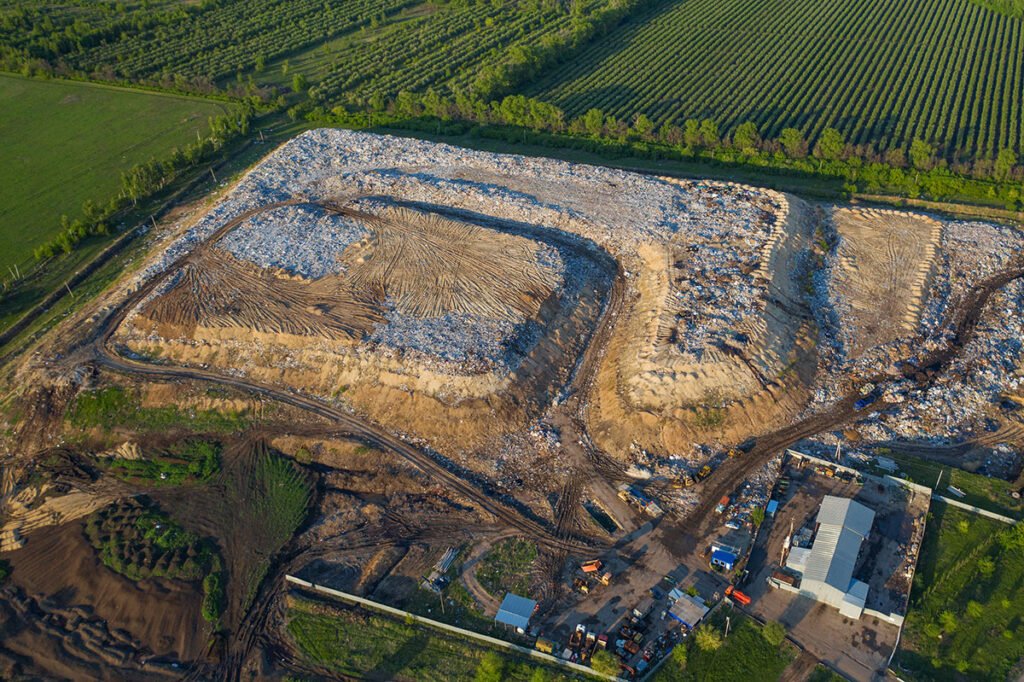
Industrial waste landfills are specialized facilities designed to manage and dispose of non-hazardous and, in some cases, hazardous waste generated by industrial activities. These landfills differ from municipal solid waste (MSW) landfills due to the specific characteristics of industrial waste, which may include construction debris, manufacturing by-products, or residues from industrial processes.
Safely disposing of waste from industrial activities, including
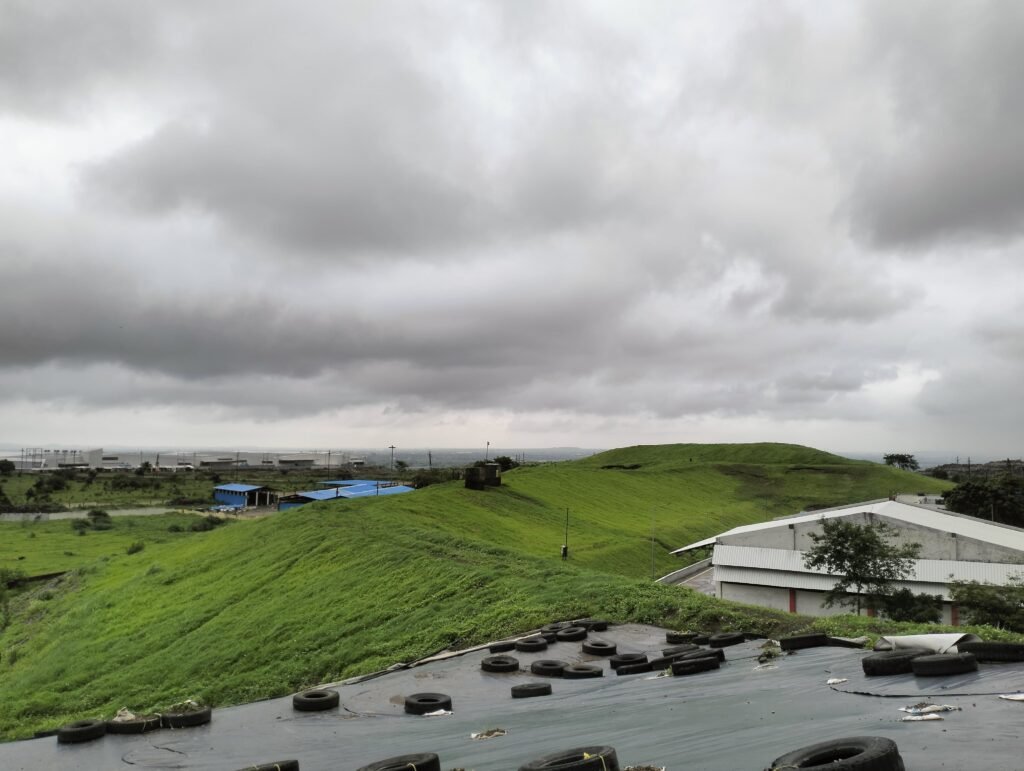
Hazardous waste landfills are highly specialized facilities, critical for Treatment, Storage & Disposal facilities – engineered to safely contain and isolate hazardous materials that pose significant risks to human health and the environment due to their toxic, corrosive, flammable, or reactive properties. Designed to manage waste that cannot be recycled, reused, or treated through methods like incineration, these landfills often referred as Secure Landfills.
Hazardous waste landfills manage materials classified as hazardous under regulatory framework such as India’s Hazardous and Other Wastes (Management and Transboundary Movement) Rules, 2016.
Classification of Hazardous Waste material that exhibit ignitability, corrosivity, reactivity or toxicity.
Most common materials such as;
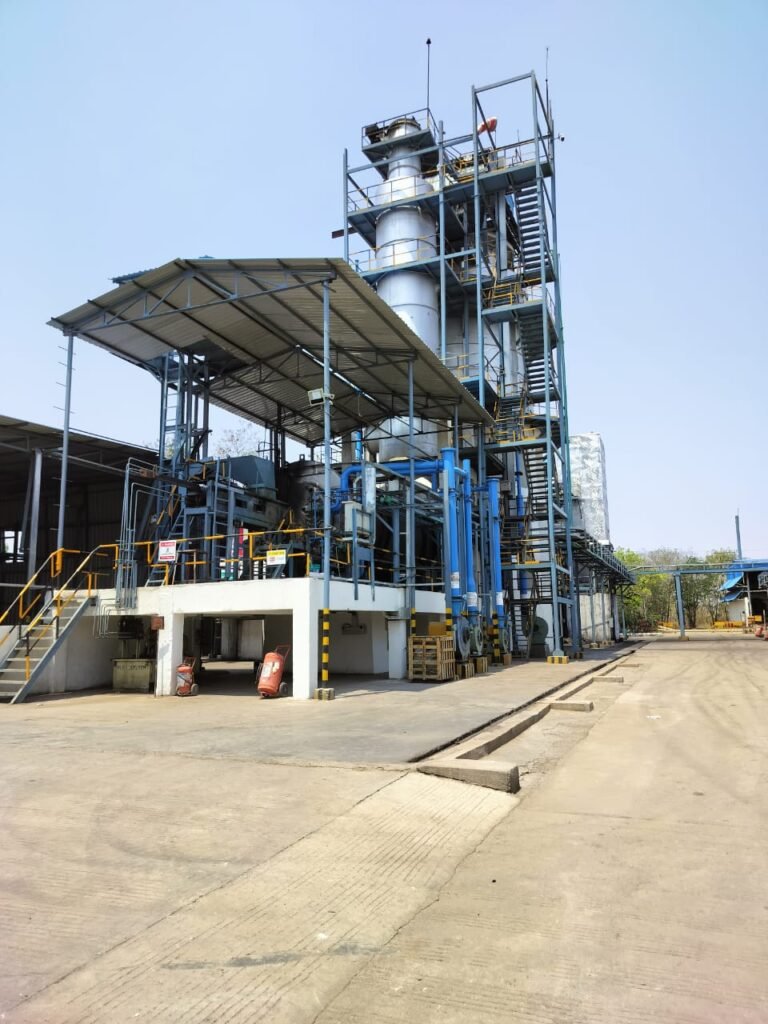
Incineration services in hazardous waste management facilities involve high-temperature thermal treatment to destroy organic hazardous wastes, such as solvents, pesticides, chemical sludges, and contaminated materials like PCBs or PFAS, converting them into ash, gases, and energy while minimizing volume and toxicity. Often through rotary kilns operating above 1,100°C with advanced flue gas cleaning systems, serving as an alternative to landfilling by achieving up to 99.99% destruction efficiency of hazardous constituents.
Hazardous Waste Facility have Incinerators to handle material such as: